Introduction.
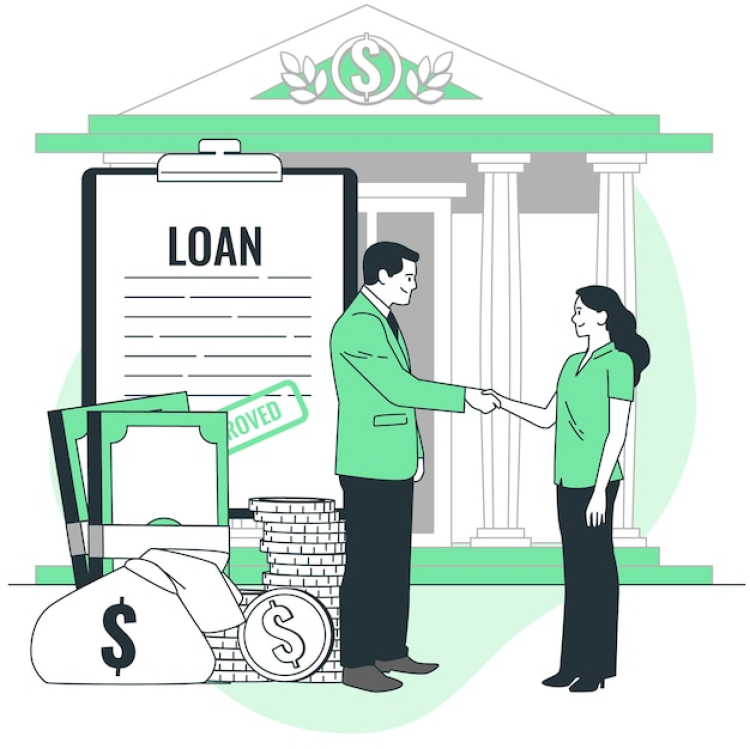
This is where getting a loan can make the process smoother and more achievable. With proper planning, you can utilize the funds to design, build, and personalize a home that truly reflects your vision. Instead of delaying your plans, a well-structured loan lets you move forward with confidence while managing costs in a practical, organized way.
Affordable Home Loans: How to Qualify for Construction Financing
Beyond personal finances, having a clear construction plan is just as important. Lenders often ask for approved building plans, cost estimates, and timelines before releasing funds. Since construction loans are typically disbursed in phases, staying organized and on schedule matters.
Keeping your debt levels low and saving for a reasonable down payment can also help you access better loan terms. With proper planning and the right loan, building a home can be a smooth and achievable journey.
A steady income and a solid payment history can significantly boost your chances of qualifying for a loan and getting more favorable terms. Construction financing is designed to cover expenses at different phases of a building project, simplifying the process of managing costs as construction moves forward.
Lenders generally assess applications by considering elements like your credit score, consistent income, and overall financial health. Affordable home loans can make the aspiration of building

Learn about home loans for building your own house, even on a tight budget.
Building your own house can feel like a distant dream, especially when you are working with a tight budget. Nevertheless, home loans designed for construction can make this goal more achievable than you might expect. These loans are structured to support you throughout the building process, releasing funds in stages as construction moves forward. This approach helps you control expenses and avoid unnecessary financial pressure.
Before applying, it is vital to understand your budget, estimate construction costs carefully, and keep some savings aside for unexpected expenses.
Lenders usually consider factors such as your income, credit history, and existing financial commitments when evaluating your application. Even minimal improvements in credit habits or reducing outstanding debts can produce a difference.
With proper planning, realistic expectations, and the right home loan, building your own house can be a well-managed project rather than a financial burden, even when resources are limited.
Step-by-Step Guide to Financing Your Home through Installment Plans
Financing a home through installment plans can make the buying or building process much more manageable. Instead of paying a large amount upfront, installment plans allow you to spread the cost over a fixed period, making budgeting easier.
The first step is to assess your financial situation and decide how much you can comfortably pay each month. Next, compare different lenders and installment options to find terms that suit your income and long-term goals. Get a loan and utilize the funds to build the dream home.
Understanding interest rates, repayment schedules, and additional charges is also important before committing. Once approved, timely payments help you stay on track and protect your credit profile. With a clear plan and disciplined approach, installment-based financing can be a practical and stress-free way to achieve homeownership.
Planning Ahead Makes a Difference
Careful planning is key when choosing an installment plan for your home. Reviewing your monthly expenses, setting aside emergency savings, and allowing room for future costs can help you stay financially comfortable. A well-planned approach ensures long-term stability and peace of mind.
Understand how to pay for construction in installments to reduce financial burden.
Paying for home construction can feel overwhelming, especially when costs begin to add up quickly. Choosing to pay for construction in installments is a practical way to reduce financial pressure and maintain better control over your budget. This approach allows you to align payments with construction progress, making the process more manageable and less stressful.
How Do Installment-Based Construction Payments Work?
Installment-based construction payments are usually structured around different stages of the building process. Instead of paying the full amount upfront, funds are released as key milestones are completed, such as foundation work, structural development, and final finishes. This method helps prevent overspending and ensures that payments are made only when work is completed. It also gives homeowners more flexibility to manage cash flow while keeping construction moving forward smoothly.
Benefits of Reducing Financial Burden:
Paying in installments spreads costs over time, making it easier to handle expenses without disrupting your daily finances. It allows better planning, reduces the need for large loans, and helps avoid sudden financial strain. With proper budgeting and timely payments, installment plans can make construction more affordable and financially balanced.
How to Get a Loan with No Money.
Getting a loan when you have no savings may sound difficult, but it is not always impossible. Many lenders focus more on your income stability and repayment ability than on how much cash you currently have. With the right approach and preparation, you can still explore loan options that fit your situation.
Focus on Income and Credit Strength:
When you do not have money for a down payment or upfront costs, lenders usually look closely at your income and credit profile. A steady job, regular income, and a decent credit history can work strongly in your favor. Paying bills on time, reducing existing debts, and keeping your credit utilization low can improve your chances. Some lenders also offer loans with minimal or zero down payment for eligible applicants.
Explore alternative loan options.
You can also consider government-backed loans, employer-assisted programs, or joint applications with a co-borrower. These options often come with relaxed requirements and better approval chances. Additionally, comparing lenders and negotiating terms can help you find flexible repayment plans. While getting a loan with no money requires careful planning, responsible borrowing, and clear financial discipline, it can help you move forward without unnecessary stress.
Finding Affordable Housing Projects in Your Area: What You Need to Know
Finding affordable housing doesn’t have to be overwhelming. Start by researching government-backed or subsidized housing schemes in your area, as these often offer lower prices or financial assistance. Local real estate listings, community notice boards, and housing development websites can also provide information on low-cost projects. When exploring options, make a list of key factors like location, amenities, and eligibility criteria. Contacting developers or housing authorities directly can help you understand the application process, deadlines, and required documents.
Building a House on Your Own: How to Cut Costs and Build Smart
Building your own home can be a cost-effective alternative to buying pre-built houses. Careful planning is essential—start with a realistic budget and a clear construction plan. Opting for simpler designs, using locally sourced materials, and hiring skilled labor selectively can save significant costs. Consider phased construction, which allows you to complete your home gradually without stretching finances. Regular monitoring of expenses and maintaining a contingency fund for unexpected costs ensures the project stays on track.
Conclusion
Whether you choose to invest in an affordable housing project or build your own home, smart planning and research are key. Understanding local options, knowing eligibility requirements, and managing construction costs carefully can make your dream home attainable without breaking the bank. With patience and a practical approach, affordable homeownership is within reach.