
Introduction
Let’s be honest, everyone wants to be rich, but nearly no one has the right to get there. For decades, we’ve been told the same old story: “Work hard, save your pennies, and you’ll be set.” But as we move through 2026, we have got to face the music—those old rules are officially broken. Hard work is still important, sure, but it’s no longer a guarantee of fiscal security. In today’s world, you can work 80 hours a week and still feel like you’re running on a routine that’s going nowhere.
Ameer banne ka tarika 2026
Ameer banne ka safar रातों-रात (raaton-raat) tay nahi hota. Sabse pehle apni pasandida industry mein maharat hasil karein, phir us mein chota sarmaya lagayein, aur phir usay technology ke zariye “scale” karein.
Yad rakhein: Sahi industry ka intakhab aap ki adhi kamyabi hai!
The game has changed. A real wealth creation moment isn’t about how much you sweat; it’s about your strategic direction. To move from the constant stress of fiscal struggle to the peace of true freedom, a “steady job” is not the finish line; it’s just the starting blocks.
Still, you need a design. If you want to actually move the needle. You need to know which grandly-growth diligences are worth your time and how to lean into the technology that is reshaping our frugality. It’s about working smarter, choosing the right “battlegrounds,” and eventually putting yourself on a path that actually leads to a destination.
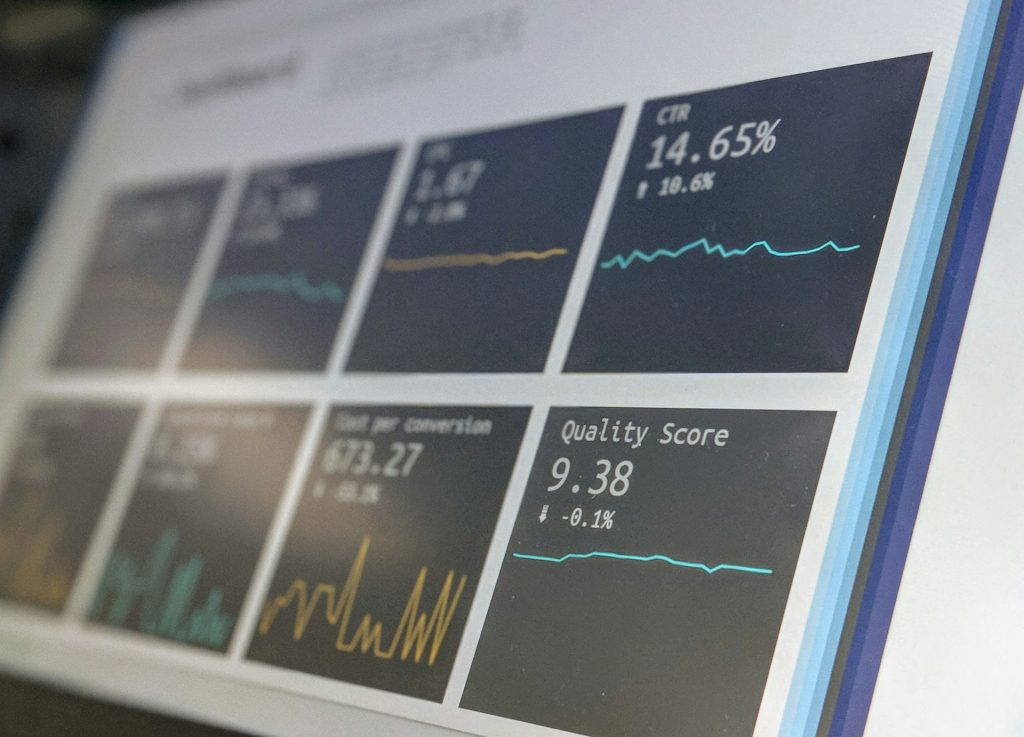
The Reality of Building Wealth in 2026
The dream itself has not changed, but the map to get there is almost beyond recognition. To be sitting here in the year 2026, looking back on the past five years, it is obvious that the old rules of building wealth have been pushed to their absolute limits. The truth of the matter in trying to build a financial future is no longer about following a straight line. But instead of how to navigate a maze that is changing even as you are in it.
If you had asked someone in, say, 2019, what it took to get rich, the answer would have been almost as if it were scripted. You had to buy a house (leverage), invest in a broad-market index fund (time in the market), and climb the corporate ladder (earned income). It was a three-legged stool. In 2026, that stool appears to be balanced on one leg, and that leg is wobbly.
How to Build Wealth
Building wealth in today’s world of finance is not a function of luck; it is a system. First, you must spend less than you earn. This sounds simple, but it takes effort to track your spending and implement a savings plan the day you get your paycheck. Second, invest on a regular basis. Take advantage of tax-advantaged retirement accounts such as 401(k)s and IRAs to buy diversified investment portfolios—index funds are your best friend.
Do not try to time the market; rather, time in the market is what counts. Lastly, earn more money. The easiest way to save more is to earn more. Learn valuable skills, start a side hustle, or ask for a raise.
The Real Wealth: Time and Optionality
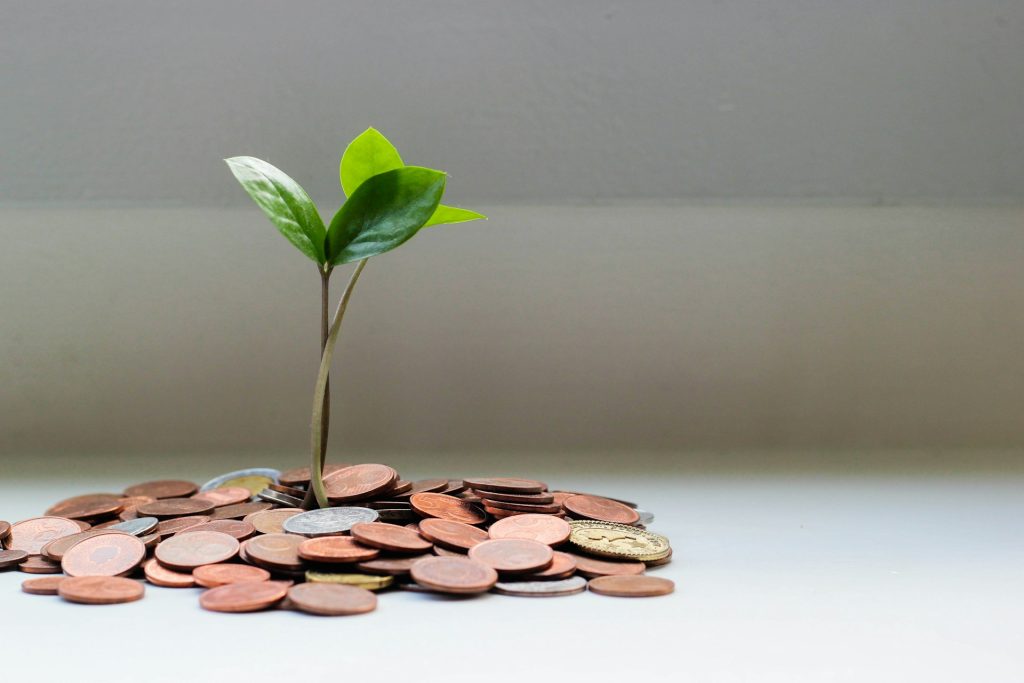
If there’s a silver lining, it’s that the definition of wealth is slowly, quietly maturing. After years of watching people burn out from the grind, a counter-movement is emerging. The richest people I know in 2026 aren’t necessarily the ones with the biggest houses. They’re the ones with the most optionality.
Wealth is being redefined as the ability to walk away. It’s the savings account that lets you quit a toxic job without having another one lined up. It’s the side business that has grown enough to replace your salary, giving you the power to say “no” to a project that doesn’t align with your values. It’s the freedom to relocate to a lower-cost area because your income is digital, not geographical.
The pursuit of a number in a bank account has shifted to a pursuit of time. Time with aging parents. Time to be present for your kids. Time to pursue a passion project that might one day become your main income. In that sense, the reality of building wealth in 2026 is more holistic but also more stressful because it requires balancing the need for immediate financial security with the long-term goal of personal freedom.
Building wealth today is harder. The paths are less clear, the obstacles are more numerous, and the old rules no longer apply. It requires a hybrid skill set: the patience of a long-term investor, the agility of an entrepreneur, and the frugality of a Depression-era grandparent. We are building our financial houses on ground that is still shifting, hoping that the foundations we dig—through multiple income streams, diversified assets, and a fierce protection of our time—will be deep enough to withstand the next tremor.
The Reality Check: Wealth Isn’t Built Overnight
Let’s get one thing straight: The journey to becoming wealthy—Ameer banne ka safar—raaton-raat tay nahi hota. We see the “overnight successes” on social media, but we rarely see the years of quiet hustle behind them. If you want to build something that lasts, you have to stop looking for a magic button and start looking at the blueprint.
1. Master Your Craft (Maharat Hasil Karein)
Before you put a single rupee into a business, you need to invest in your brain. Pick an industry you actually care about and become an expert in it. Whether it’s e-commerce, AI services, or sustainable energy, you can’t win a game if you don’t know the rules. Skills are the only currency that never devalues.
2. Start Small, Think Big (Chota Sarmaya)
You don’t need a million dollars to start. In fact, starting too big is a common trap. Start with a “chota sarmaya” (small investment). Test your ideas, make your mistakes while they are still cheap, and find out what actually works in the real world.
3. Use Technology to Scale
This is where the magic happens. A local shop can only serve the people on its street, but a digital business can serve the world. Once you have a working model, use technology—automation, AI, and digital marketing—to “scale” your business. This is how you stop trading your hours for dollars and start making money while you sleep.
The Golden Rule: Choosing the right industry (Sahi industry ka intakhab) is 50% of the battle won. If you are in a dying industry, no amount of hard work will save you. But if you are in a growing one, even for a little moment
Conclusion: Your Move Toward Financial Freedom
At the end of the day, the “map” to wealth isn’t a secret code—it’s a choice. Most people will spend their entire lives waiting for a lucky break or a “lottery moment” that never comes. But you now know that wealth creation is a deliberate process. It starts with moving away from the outdated “work-save-retire” model and stepping into the modern era of strategic industry selection. Remember, Ameer banna koi ittefaq nahi hota (Becoming rich isn’t an accident). It’s the result of picking the right battlefield, mastering your craft, and using technology to turn a small spark into a massive fire.